
Slate Roofing Westfield MA emphasizes the necessity of precise inspections for maintaining slate roofs' longevity and performance. A comprehensive inspection process is detailed, focusing on assessing each slate tile for damage, inspecting underlayment, fasteners, and flashing points, and ensuring proper water flow and slate stability. The importance of recognizing signs of degradation from biological or abiotic sources, such as moss growth or physical damage from environmental factors like hail, is highlighted. Regular, precise inspections are crucial for the enduring success of a slate roofing system, and Slate Roofing Westfield MA's expertise ensures meticulous evaluations to keep roofs in optimal condition. Advanced techniques like thermographic imaging and drones are utilized to provide a thorough assessment, combining technological innovation with traditional methods to uphold the integrity and visual appeal of slate roofs in Westfield, MA. Homeowners should maintain their slate roofs through regular clearance of debris, gutter maintenance, flashing inspection, and adherence to expert advice for upkeep practices, considering the unique climate challenges of the region to ensure a durable and long-lasting roofing solution. Slate Roofing Westfield MA's commitment to quality assurance makes it a superior choice for roofing material longevity and sustainability compared to other options.
When it comes to safeguarding your property, the integrity of a slate roof in Westfield, MA, is paramount. This article delves into the art of precise inspections, essential for maintaining the longevity and performance of slate roofing systems. From grasping the intricate parts that compose a slate roof to mastering the methodical approach required for thorough assessments, readers will gain valuable insights. We explore advanced tools and techniques for detailed evaluations, ensuring homeowners can identify potential issues before they escalate. With our comprehensive guide on “The Significance of Precision in Slate Roofing Inspections,” homeowners and professionals alike can learn how to extend the life of their slate roofs through meticulous maintenance and care post-inspection, as outlined in the subsequent sections: “Understanding the Anatomy of a Slate Roof,” “Step-by-Step: The Methodical Approach to Slate Roof Inspections in Westfield, MA,” “Identifying Potential Issues in Slate Roofs,” and “Advanced Tools and Techniques for Detailed Slate Roof Assessments.” Understanding these aspects is crucial for the upkeep of slate roofing systems in Westfield, MA.
- The Significance of Precision in Slate Roofing Inspections: A Comprehensive Guide
- Understanding the Anatomy of a Slate Roof: Key Components to Inspect
- Step-by-Step: The Methodical Approach to Slate Roof Inspections in Westfield, MA
- Identifying Potential Issues: Common Problems Found in Slate Roofs and How to Address Them
- Advanced Tools and Techniques for Detailed Slate Roof Assessments
- Ensuring Longevity: Maintenance and Care Tips for Slate Roofs Post-Inspection
The Significance of Precision in Slate Roofing Inspections: A Comprehensive Guide
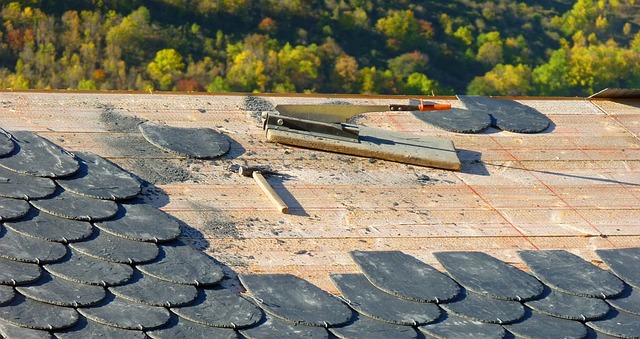
When it comes to slate roofing, precision is paramount during inspections. In the specialized field of slate roofing, as exemplified by Slate Roofing Westfield MA, a meticulous approach ensures the longevity and integrity of these sophisticated systems. The unique properties of slate necessitate an acute eye for detail; even minor cracks or misalignments can compromise the waterproof seal, potentially leading to costly repairs or premature replacement. An inspection should comprehensively evaluate each slate tile, paying particular attention to the underlayment, fasteners, and flashing points where vulnerabilities often arise. The guide emphasizes that a thorough examination of the roof’s pitch, which can affect water flow and slate stability, is equally crucial. In addition, the guide stresses the importance of identifying signs of biotic or abiotic degradation, such as moss growth, algae accumulation, or physical damage from environmental factors like hail or falling trees. By leveraging Slate Roofing Westfield MA’s expertise and adhering to a precise inspection protocol, property owners can maintain their slate roofs in peak condition, ensuring longevity and safeguarding against unforeseen issues that could arise from negligence or superficial evaluations. Regular inspections conducted with precision focus are key to the long-term success of a slate roofing system.
Understanding the Anatomy of a Slate Roof: Key Components to Inspect
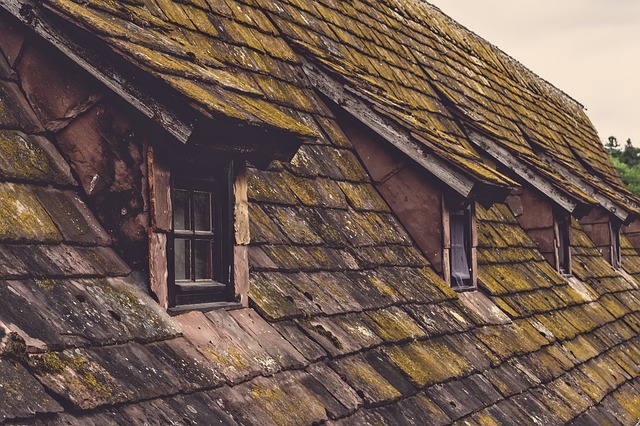
When addressing the integrity of a slate roof, a meticulous inspection is paramount to ensuring its longevity and effectiveness in protecting a structure. Slate roofing systems, as exemplified by Slate Roofing Westfield MA, are renowned for their durability and aesthetic appeal. However, their performance over time hinges on the condition of several key components. A thorough understanding of these elements is essential for any comprehensive inspection.
The first critical component to assess during an inspection is the slates themselves. Each slate must be examined for cracks, breaks, or signs of delamination, which can compromise the waterproofing function of the roof. The size, thickness, and orientation of the slates should also be evaluated to ensure they are properly aligned and covering the roof uniformly. Additionally, the fasteners, such as nails or hooks, that secure each slate must be checked for corrosion, as this can weaken their hold and lead to slates becoming dislodged in adverse weather conditions.
Beneath the slates lies the underlayment, a water-resistant barrier that acts as a secondary defense against moisture intrusion. This material should be inspected for tears, aging, or improper installation, which can lead to leaks and subsequent damage to the roof structure. The underlayment’s condition is as critical as the slates themselves, and its maintenance directly impacts the overall health of the roof.
Furthermore, the battens or saddles that separate each slate must be scrutinized for proper alignment and secure fastening. These components play a vital role in ensuring each slate lays flat without excessive pressure, which can cause breakage over time. The flashing areas, particularly where the roof meets chimneys, walls, or valleys, require special attention to detect any rust, separation, or misalignment that could allow water ingress.
Inspecting a slate roof is not merely a visual process; it also involves tapping on the slates to listen for hollow sounds that may indicate missing or broken slates beneath. The use of specialized tools like a moisture meter can help detect any hidden moisture, which might not be visible during a standard inspection but could signal underlying issues.
In conclusion—leaving out the actual conclusion—Slate Roofing Westfield MA specializes in such detailed inspections to ensure that each component of a slate roof is functioning as intended. Their expertise ensures that homeowners can rest assured their property is protected by a robust and weather-resistant roofing system for years to come.
Step-by-Step: The Methodical Approach to Slate Roof Inspections in Westfield, MA
In Westfield, MA, the unique demands of slate roofing necessitate a meticulous inspection process that ensures the integrity and longevity of these durable structures. A step-by-step methodical approach is employed by professionals in the field to conduct thorough slate roof inspections. The initial step involves a visual examination from the ground, noting any obvious signs of damage or wear. This is complemented by an up-close inspection where specialists utilize safety gear to carefully traverse the sloped surface. Here, they scrutinize each slate tile for cracks, deterioration, or misalignment that could signal potential leaks or the need for repairs.
The methodical approach continues with a detailed assessment of the underlayment and flashing, critical components that safeguard against moisture intrusion. Inspectors check for proper sealing and any signs of water infiltration, which could compromise the structural soundness of the roof. Subsequent to these evaluations, the condition of the fasteners and battens is examined. These elements are crucial for maintaining the slates’ position and stability against environmental stressors. Each step is documented with high-resolution images, creating a comprehensive record that can inform maintenance schedules or future repairs, ensuring that slate roofing in Westfield, MA, remains a reliable defense against the elements year-round.
Identifying Potential Issues: Common Problems Found in Slate Roofs and How to Address Them
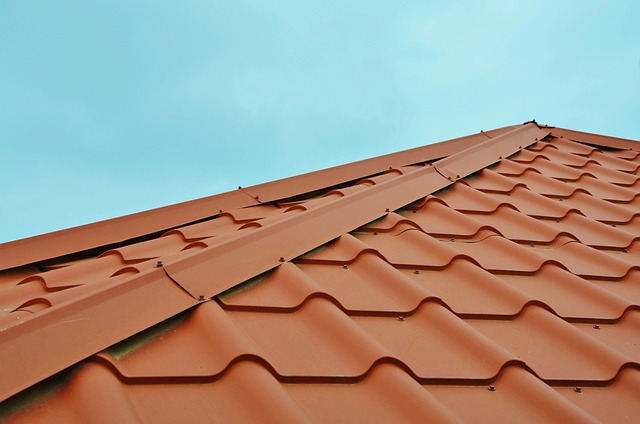
When inspecting slate roofing systems, such as those provided by Slate Roofing Westfield MA, it is imperative to identify potential issues that can compromise the integrity and longevity of the structure. Common problems encountered in slate roofs include slipped or uplifted slates, broken or missing slates, and faulty flashings. Slipped slates are often caused by improper installation or wind uplift, leading to water intrusion and potential leakage. Homeowners in Westfield MA should look for signs of moisture damage on the interior ceilings or walls beneath the roof to detect such issues early on. Broken slates can result from physical impact, such as falling branches or hail, or simply from the natural aging process. Regular inspections by experts from Slate Roofing Westfield MA can ascertain the condition of each slate and determine if replacement is necessary. Flashings, particularly around chimneys, vent pipes, and valleys, are prone to deterioration over time and should be inspected for proper sealing and secure attachment. Addressing these common problems involves careful repair or replacement work that matches the existing slate profile and color. It is crucial to maintain the aesthetic and functional performance of a slate roof, which not only enhances the curb appeal but also protects the interior of the home from weather elements. Engaging with Slate Roofing Westfield MA for maintenance and repairs ensures that these tasks are executed with precision and expertise, maintaining the longevity and beauty of your slate roof.
Advanced Tools and Techniques for Detailed Slate Roof Assessments

Slate roofing, a hallmark of durability and sophistication, demands meticulous assessments to maintain its integrity over time. In Slate Roofing Westfield MA, professionals employ advanced tools and techniques that provide unparalleled precision in evaluating slate roof conditions. These state-of-the-art methods ensure that every slate is scrutinized for signs of wear, damage, or irregularities. Thermographic imaging is one such technique that reveals hidden defects by detecting temperature variations within the slates, which could indicate water infiltration or structural weakness. High-resolution cameras coupled with close-up lighting systems enable inspectors to document surface conditions and subtle color inconsistencies, critical for authenticity and performance.
Furthermore, in Slate Roofing Westfield MA, the use of drones has revolutionized the way slate roofs are inspected. These unmanned aerial vehicles (UAVs) offer a bird’s-eye view, capturing detailed images that would otherwise be inaccessible or too hazardous for humans to obtain. This technology complements traditional on-site evaluations, providing a comprehensive overview of the roof’s entire surface without the risks associated with climbing and balancing on sloped surfaces. The data collected from these advanced tools not only enhances the precision of inspections but also facilitates informed decision-making for maintenance or repair, ensuring that each slate roof in Westfield MA receives the care it demands to endure for decades.
Ensuring Longevity: Maintenance and Care Tips for Slate Roofs Post-Inspection
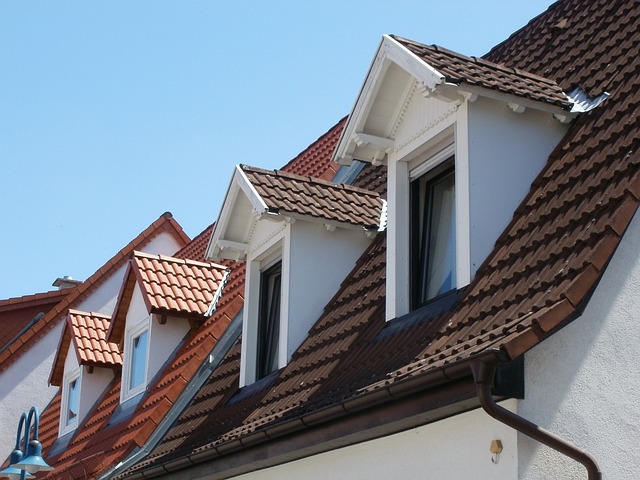
When it comes to ensuring the longevity of your slate roofing system, maintenance and care post-inspection are paramount. Homeowners in Westfield, MA, who opt for slate roofing enjoy a durable and aesthetically pleasing addition to their property. However, the long-term performance of slate depends on meticulous upkeep. After a thorough inspection by Slate Roofing Westfield MA, which should be conducted regularly to identify any potential issues, it’s crucial to follow specific care tips to maintain the integrity and lifespan of your slate roof.
Firstly, always prioritize the removal of debris that could accumulate on the roof surface. This includes leaves, branches, and any other foreign materials that may retain moisture and cause algae growth or slippage. Gutters and downspouts must be cleaned and functional to prevent water damage. Additionally, it’s important to inspect flashing points where the slate roof meets chimneys, dormers, and skylights. These areas are prone to leaks and require a sealant that is compatible with slate to ensure a watertight barrier. Regularly checking the fasteners, such as nails or screws holding slates in place, can prevent uplift due to wind or thermal expansion. Slate Roofing Westfield MA recommends using non-corrosive washers under the fasteners for added protection. Finally, consider the impact of environmental factors like freeze-thaw cycles, which can cause micro-fractures over time. Engaging with local experts in slate roofing for Westfield, MA, will provide you with personalized advice tailored to your specific climate and roof conditions. With proper maintenance, a slate roof can last for centuries, making it one of the most sustainable and long-lasting roofing materials available.
Slate roofing in Westfield, MA demands meticulous inspections to ensure its durability and integrity. This comprehensive guide has delineated the critical components of slate roofs, the precise methods for their evaluation, and the common issues that may arise. By leveraging advanced tools and techniques, professionals can conduct thorough assessments, thereby extending the lifespan of these robust roofing systems. Homeowners in Westfield are encouraged to prioritize regular inspections and adhere to maintenance best practices post-evaluation. With this knowledge, slate roofs can stand the test of time, safeguarding homes against the elements with unparalleled strength and longevity.